
Stop losing heat — and money — through your equipment walls.
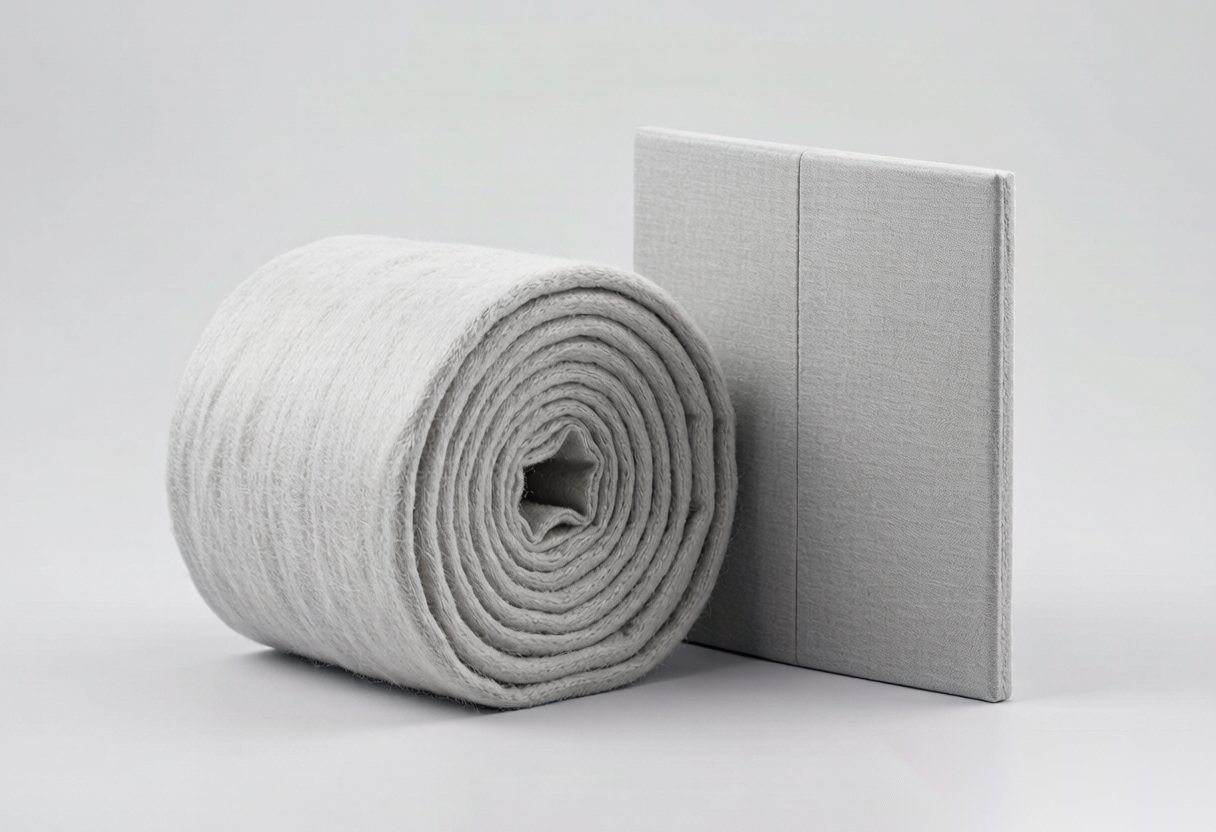
GPOWER nanoceramic aerogel insulation survives 1000°C+, cuts energy use 15–30%, and is 5–10× lighter than firebrick. A thinner, cooler, drop-in substitute for refractory brick and heavy ceramic fiber — engineered for coffee roasters, furnaces, kilns and industrial process heat.
Why plants and roasteries keep over-paying for heat
Most high-temperature equipment still runs on thick firebrick or bulky ceramic fiber. That choice quietly drains budget, slows production, and puts people at risk.
Energy bills you can't control
Roasters and furnaces lose heat through thick, inefficient walls. Roasting thermal efficiency is often under 50% — fuel is your second-largest operating cost after labor.
Hot, unsafe surfaces
Bare drums and ducts hit painful temperatures. Burn risk, uncomfortable workshops, and forced cooling that wastes even more energy.
Heavy, slow, space-hungry
Firebrick is 5–10× heavier and needs thick walls. It loads structures, slows heat-up, and eats floor space you could use for production.
A ceramic-fiber-reinforced aerogel that does both jobs at once
GPOWER is a nanoceramic aerogel composite: the ultra-low thermal conductivity of aerogel meets the high-temperature toughness and mechanical strength of ceramic fiber. The result occupies the value gap between brittle pure aerogel and ordinary ceramic fiber.
- 1000°C+ long-term with no powdering or shrinkage.
- Ultra-low thermal conductivity from nano-porous structure — blocks conduction, convection and radiation.
- Lightweight & thin — 5–10× lighter than firebrick, retrofits into tight spaces.
- Green-friendly option — AES/PCW low-biopersistence fiber avoids EU REACH RCF SVHC concerns.
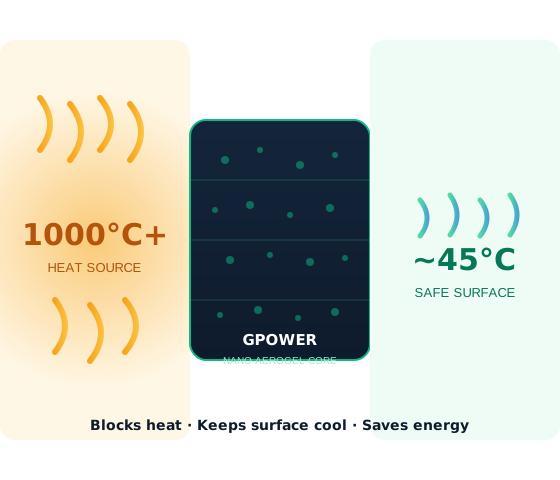
Four reasons buyers switch to GPOWER
Energy & cost you can prove
We don't ask you to trust a brochure. Send us your equipment and we run a joint side-by-side test — your own data shows the saving.
Stable, consistent quality
Even thermal field, precise control and less drift mean repeatable batches and fewer rejected runs.
Safer, cooler workspaces
Lower external temperatures reduce burn risk, cut workshop cooling load, and support your ESG and decarbonization goals.
One material, many heat problems solved
From a single coffee roaster to a continuous industrial furnace — the same thin, tough wrap does the job.
Coffee roasters
Drop-in drum & exhaust wrap. 15–30% energy cut, cooler exterior, stable roast profiles.
Read the use case →Furnaces & kilns
Thin lightweight lining replaces thick firebrick — faster heat-up, lower fuel, less structural load.
Read the use case →Petrochemical & piping
High-temp pipe and vessel insulation that protects personnel and slashes heat loss.
Read the use case →Where GPOWER is already solving heat
Real industrial environments where thinner, lighter, hotter-rated insulation changes the economics.
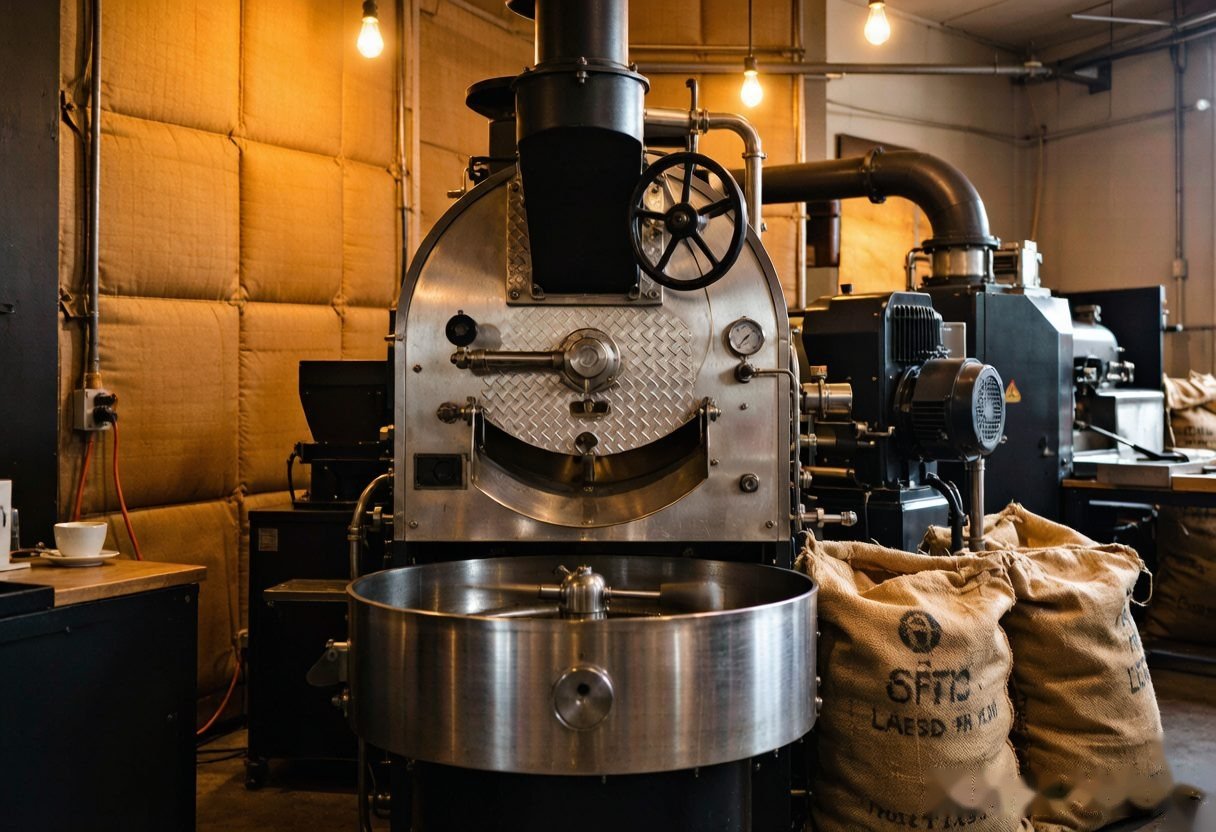
Roastery drum & exhaust
15–30% less energy, cooler workspace, stable roast curves.
Read the case study →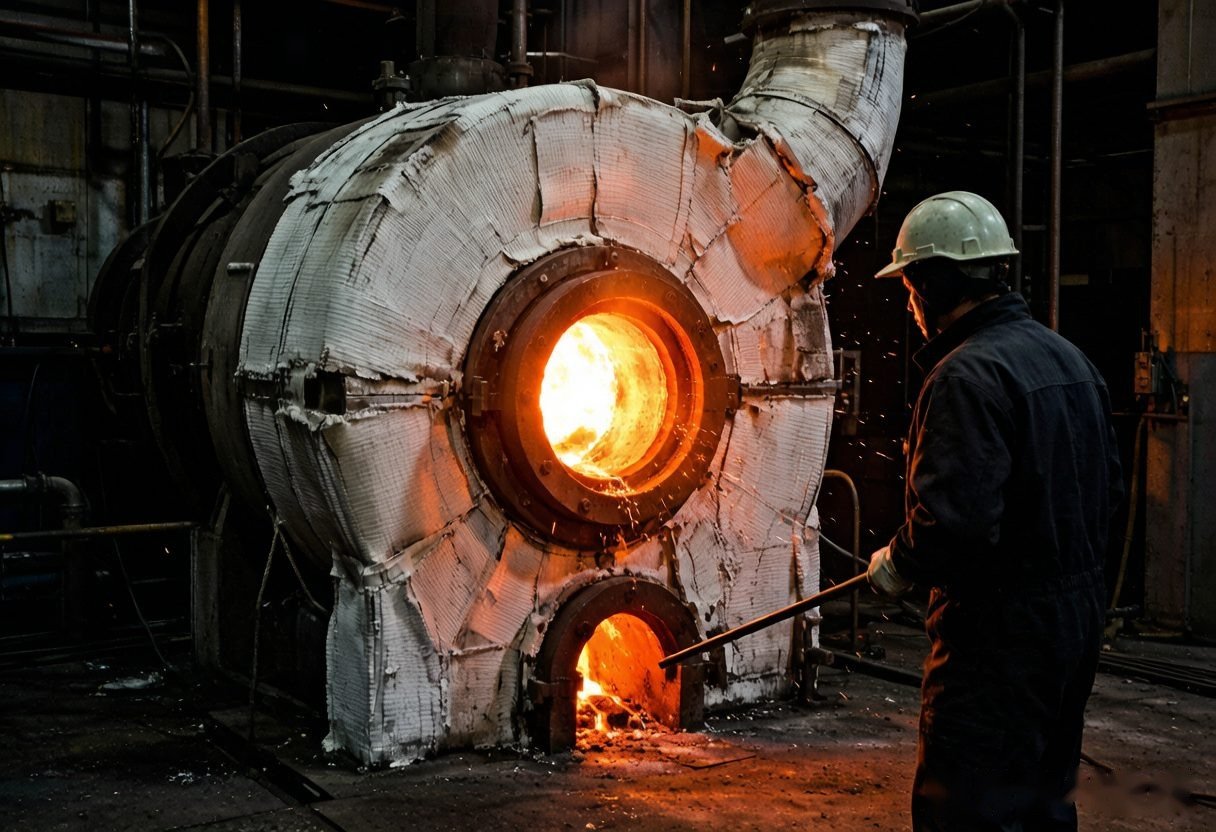
Kiln lining & doors
Thin lining replaces firebrick — faster heat-up, lower fuel.
See the case →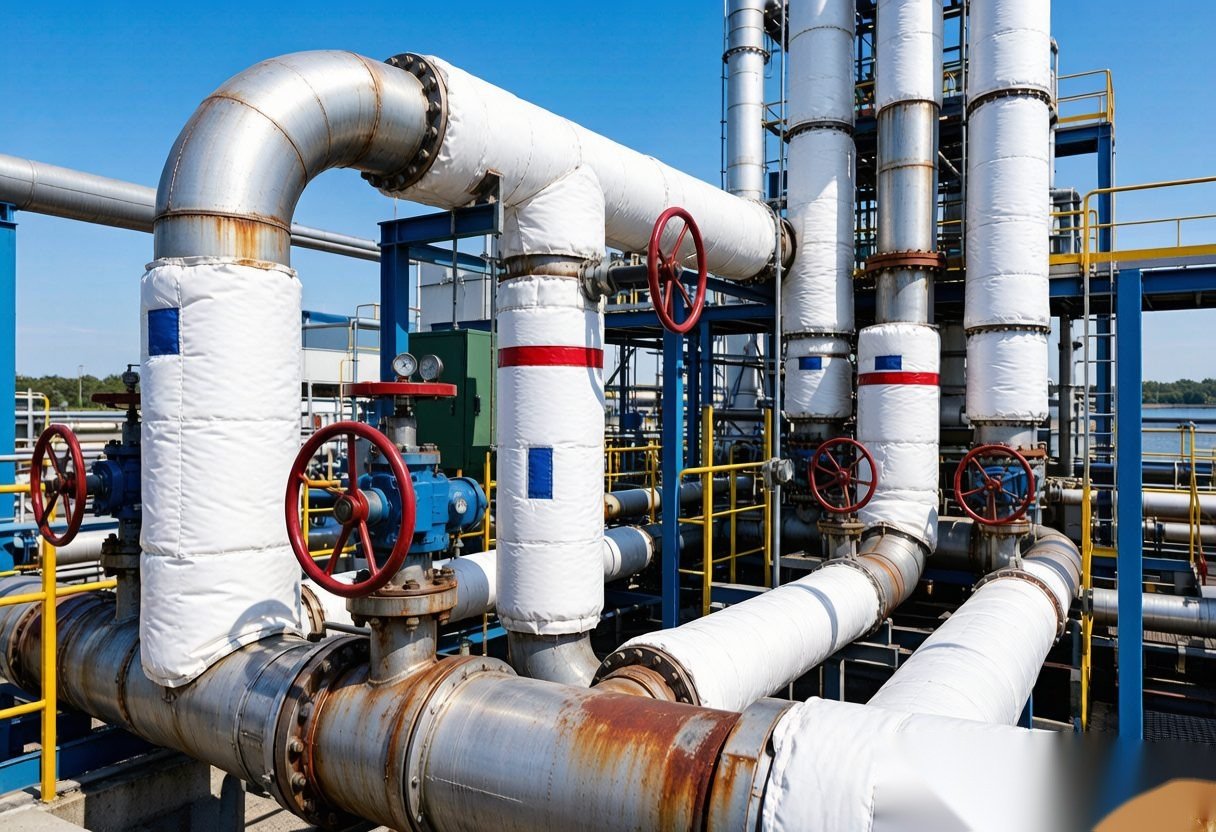
Pipe & vessel jackets
Personnel-safe surfaces and drastically lower heat loss.
See the case →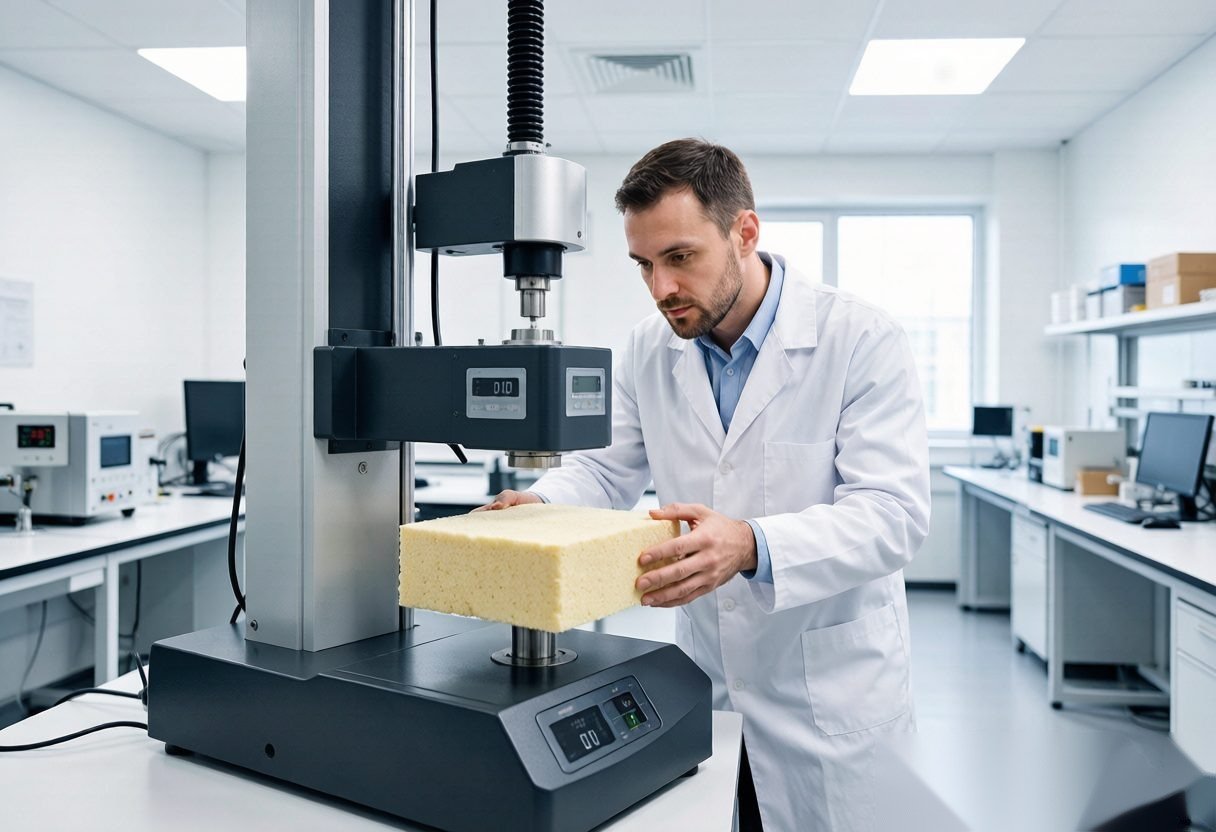
Thermal test lab
Independent thermal & fire validation behind every batch.
Our capabilities →Two material families. One advanced materials manufacturer.
GPOWER builds nano-engineered solutions for two distinct thermal challenges — both with the same commitment to performance-per-yuan leadership.
Nanoceramic Aerogel Insulation
1000°C+ thermal insulation for industrial furnaces, coffee roasters, kilns and process heat. 15–30% energy savings, 5–10× lighter than firebrick.
Advanced Functional Films
Waterproof breathable membrane (Gore-tex alternative) + passive radiative cooling film. Two products, zero compromise on performance or cost.
A real roastery cut energy 15–30% — and paid it back in months
In a documented coffee-roasting deployment, GPOWER nanoceramic aerogel insulation lowered overall roaster energy consumption by 15–30%, with a payback of 6–18 months from energy savings alone.
The same logic transfers directly to industrial furnaces, kilns and process heat: less heat escapes, less fuel is burned, and the equipment runs cooler and longer.
- Field-validated energy reduction
- Third-party thermal & fire testing in progress (SGS / TÜV class)
- CE (CPR EN 14303) & EN 13501-1 A1 pathway planned
Questions buyers ask first
A thin, flexible nanoceramic aerogel wrap rated to 1000°C+ is ideal. It cuts roaster energy use 15–30%, lowers external surface temperature for safer workspaces, and stabilizes the thermal field for more consistent roast profiles. GPOWER supplies it as a drop-in retrofit or OEM component.
Yes. GPOWER nanoceramic aerogel is 5–10× lighter than firebrick, installs faster, and delivers equal or better insulation at a fraction of the wall thickness — reducing structural load and freeing space while cutting fuel consumption.
GPOWER offers low-biopersistence fiber chemistries (AES/PCW) that avoid the refractory ceramic fibre (RCF) SVHC concerns under EU REACH. CE (CPR EN 14303) and EN 13501-1 fire classification pathways are in progress with third-party labs.
See it perform on your own equipment
We ship a free sample and run a joint comparison test so your engineers see the energy saving in your own numbers.