
Cool below ambient temperature. With zero watts.
GPOWER's radiative cooling film reflects 96.78% of sunlight and emits heat through the atmospheric window into space (96.19% IR emissivity). Result: surfaces run 5–8°C cooler than the surrounding air — no compressor, no refrigerant, no electricity. For building facades, automotive & outdoor equipment.

Two mechanisms. One remarkable result.
Most "cool roof" products are just white paint. GPOWER's film is an engineered optical material.
Solar reflection (96.78%)
A nano-scattering layer reflects nearly all incoming sunlight across the visible and near-infrared spectrum before it becomes heat. This is not just white paint — it's precision broadband reflection engineered at the nanoscale.
Atmospheric window emission (96.19%)
The emission layer radiates heat as mid-infrared through the 8–13 μm atmospheric transparency window — a frequency band where Earth's atmosphere doesn't absorb. Heat goes directly to the ~3K cold of outer space.
Thermal barrier (0.03 W/m·K)
Beyond radiative cooling, the film itself is an excellent thermal insulator — blocking conductive heat transfer with ultra-low thermal conductivity. A dual-function material in one thin layer.
Data that stands up to engineering scrutiny
Every metric tested per ASTM international standards. Certified reports available for qualified buyers under NDA.
- 96.78% solar reflectance — bounces away sunlight across VIS+NIR spectrum (ASTM E903).
- 96.19% IR emissivity — emits heat through 8–13 μm atmospheric window (ASTM E408).
- >5°C below ambient passive daytime cooling; >8°C in concrete/urban environments.
- 0.03 W/m·K thermal conductivity — also acts as insulation barrier (ASTM C518).
- ≥158° water contact angle — hydrophobic, self-cleaning, dust-resistant surface.
- 170% elongation — conforms to curved surfaces: car roofs, dome structures, tents.
| Metric | GPOWER Cooling Film | Conventional cool coating | Standard white paint | Standard |
|---|---|---|---|---|
| Solar reflectance | 96.78% | 80–90% | 70–85% | ASTM E903 |
| IR emissivity | 96.19% | 75–85% | 85–92% | ASTM E408 |
| Temp drop vs ambient | >5°C (>8°C concrete) | 2–4°C | 1–2°C | Field test |
| Thermal conductivity | 0.03 W/m·K | 0.04 | N/A | ASTM C518 |
| Tensile strength | 10 MPa | 0.5 MPa | Brittle | ASTM D5035 |
| Elongation at break | 170% | 10% | 0% | ASTM D638 |
| Water contact angle | ≥158° | 90–120° | 70–90° | Contact angle |
Where passive cooling changes the economics
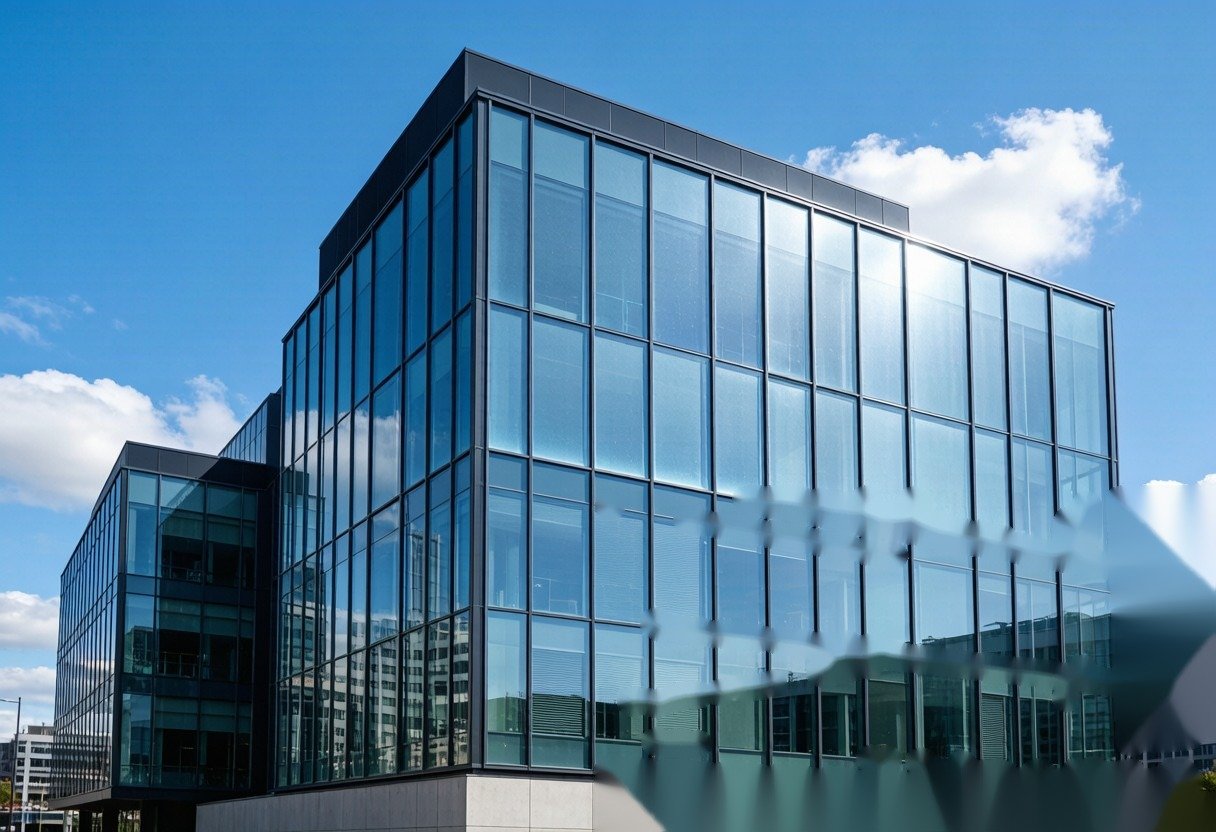
Building energy savings
- AC accounts for 40-60% of commercial building energy in hot climates.
- Glass facades are the #1 source of solar heat gain.
- Conventional low-E glass reduces transmission but doesn't actively cool.
- Cooling costs rise every year with warming climates.
The GPOWER fix
- Film on glass cuts solar heat gain by 96.78%.
- Interior temp drops 5-8°C below ambient passively.
- 20-40% reduction in cooling energy consumption documented.
- Payback from AC savings: 2-4 years in hot climates.
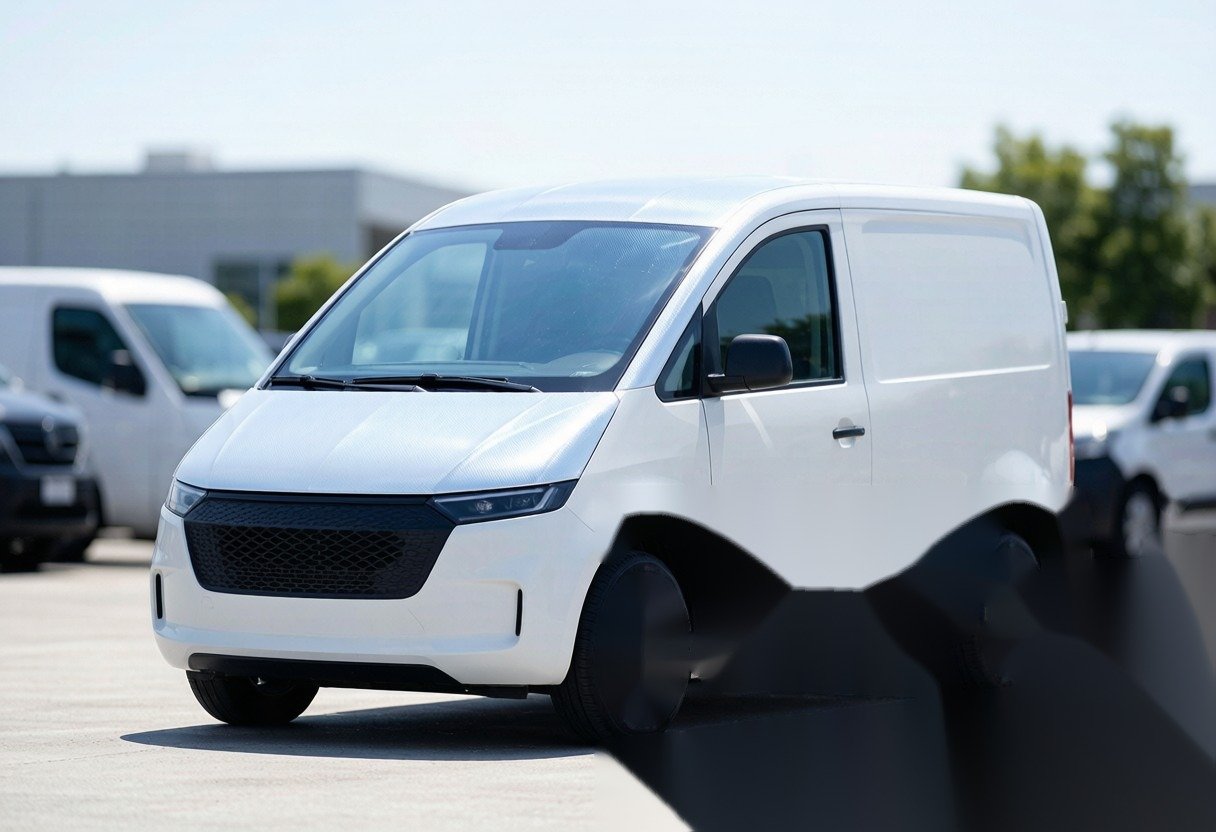 Automotive
Vehicle thermal management
Applied to roofs, hoods and sunroofs: reduces cabin heat soak during parking by 8-15°C. When driving resumes, AC load drops 15-25%. For EVs, this directly translates to extended range in hot weather. The 170% elongation conforms to curved body panels.
 Outdoor Equipment
Tents, canopies & temporary shelters
Event tents, agricultural greenhouses, disaster relief shelters, construction site offices. The film provides both passive cooling and waterproofing in one layer. Lightweight, rollable, easy to install on frame structures or tensioned fabric systems.
What engineers ask first
Radiative cooling works best under clear skies when the atmospheric window to space is unobstructed. On cloudy days, cooling performance is reduced but the film still provides strong solar reflection (reducing heat gain) and thermal insulation. At night, only the emission mechanism operates — still providing several degrees of cooling below ambient. The net effect is beneficial in all conditions, with maximum impact on sunny clear days.
The nano-scattering and emission layers are designed for long-term outdoor stability. UV resistance testing shows minimal degradation over extended exposure. The hydrophobic surface (≥158° contact angle) resists dust and pollutant adhesion, maintaining optical performance. Expected service life exceeds 10 years in typical outdoor installations; exact lifetime depends on environmental conditions and mechanical stress.
Yes. The film can be applied as a retrofit laminate to existing glass, metal panel or polycarbonate surfaces using standard adhesive or mechanical fixing methods. No structural modification is required. For new construction, it can be integrated into glazing units or facade panel assemblies during manufacturing for optimal performance and aesthetics.
Test passive cooling on your own building or vehicle
We ship A4 samples, application guidelines, and a measurement protocol so your team verifies the temperature drop with your own instruments.